

The Midweek Updates — 29 July 2026
News around UX and more, recommended books

Bringing you the latest and greatest in UX industry related to wellbeing, mental health and psychological safety — this week plus my lens about them.
Notable industry news
State of UX 2026: Design Deeper to Differentiate (NN/g)
UX is a profession that’s recovering emotionally. This comes from years of layoffs, hiring freezes, unrealistic demands and the general feeling of instability. The industry has been “betraying” its own long-term players. They feel misunderstood. New-joiners feel hard to break in.
State of the Designer 2026: Leaning Into the Messy Middle (Figma)
It’s still in the messy feels. Some designers feel optimistic and energised, though. Those who are optimistic have good leadership who focus on craft. Designers are happiest with creative freedom, clear direction and leaders who understand. In other words: how safe designers feel is largely an environment problem, not an individual resilience problem.
👉🏼 Other read by Christopher Nguyen
👉🏼 UserTesting blog nods to this
How any designer can build a more open design culture at work
A very recent, practical piece grounding open culture in Google’s Project Aristotle finding that psychological safety was the single best predictor of team performance across 180 teams. Anyone can start building safety, not just wait for leadership to grant it.
Layoff fatigue grows as repeated job cuts reshape work
Not UX-specific, but it names the thing hanging over every design org right now. “Layoff fatigue” is harming the mental health of workers whether they’ve been cut or not, and relatedly, Glassdoor’s research describes a “forever layoff” pattern of rolling micro-cuts, with job-insecurity mentions in reviews up 63% year-over-year, eroding trust because the next round could target anyone.
How to Run a UX Design Critique (UX Tigers / Jakob Nielsen)
Critique is where psychological safety gets tested weekly (or a few times in a week, in some tighter companies). This piece frames design as “the art of being wrong safely,” requiring a culture where people can take interpersonal risks, down to linguistic details like saying “the design” instead of “your design”.
It’s also honest about power: when hierarchy plays out in crits, junior designers stop speaking candidly and the team learns to read power instead of reading problems.
Why design critiques didn’t work for quiet voices (Herajeng Gustiayu, Bootcamp)
From a good friend of mine, Herajeng Gustiayu, who leads design team at Wego. A great companion to the above, from a team-lead perspective. It identifies what keeps quieter designers silent, rushed real-time sessions, discomfort with disagreeing out loud, fear of half-formed thoughts, and emotional attachment to the work… and the concrete adjustments that helped. Psychological safety isn’t just “no one yells”; it’s designing the room so all processing styles can contribute.
Recommended books
Anxietyland by Gemma Correll
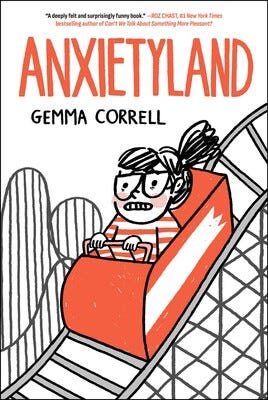
Gemma Correll’s Anxietyland is a brilliantly witty and deeply compassionate visual memoir that takes readers on a tour through the chaotic amusement park of chronic overthinking, panic, and mental burnout. Through minimalist, humor-packed illustrations, Correll strips away the clinical weight of mental health discussions, making heavy emotional struggles feel instantly accessible, validated, and much lighter.
My verdict: This is a must-read for UX designers because user experience hinges on radical empathy—studying how overwhelmed, anxious brains process information helps you design calmer, more accessible, and lower-friction interfaces that respect human cognitive load.
No Hard Feelings by Liz Fosslien & Mollie West Duffy
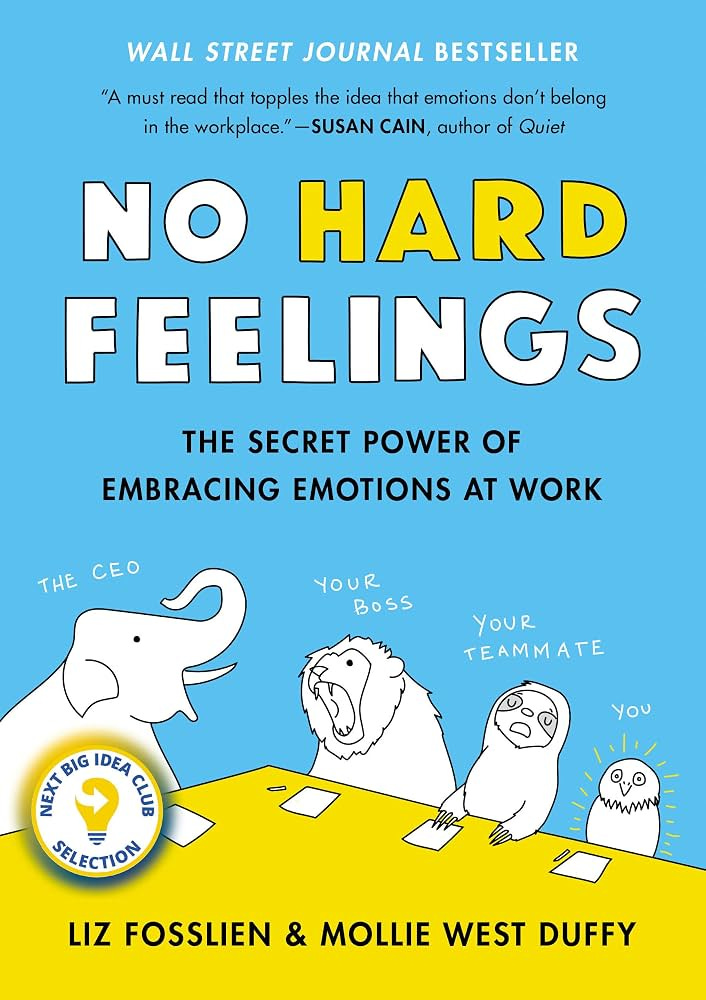
No Hard Feelings is a smart, delightfully illustrated survival guide that explores how to navigate complex workplace dynamics, critical feedback, and team burnout without suppressing your humanity. By pairing organizational psychology with wonderfully simple data-graphics, the authors demonstrate how to build psychological safety, establish healthy boundaries, and communicate with clarity.
My verdict: UX designers need to read this because great design rarely fails at the mockup stage; it fails in cross-functional friction, design critiques, and stakeholder alignment. Mastering emotional literacy allows you to defend your UX decisions gracefully, navigate difficult pushback, and design internal collaboration systems that actually work.
Alrighty, see you next week!
Like this?
Consider subscribing, you will get at least a weekly update on things related to alternative views on UX. This blog is an attempt of me to refute, challenge or refresh what I’ve learned and observed about UX design as a career and industry, throughout my 15+ years career as a product designer. Read more about me, or visit my UX portfolio site.